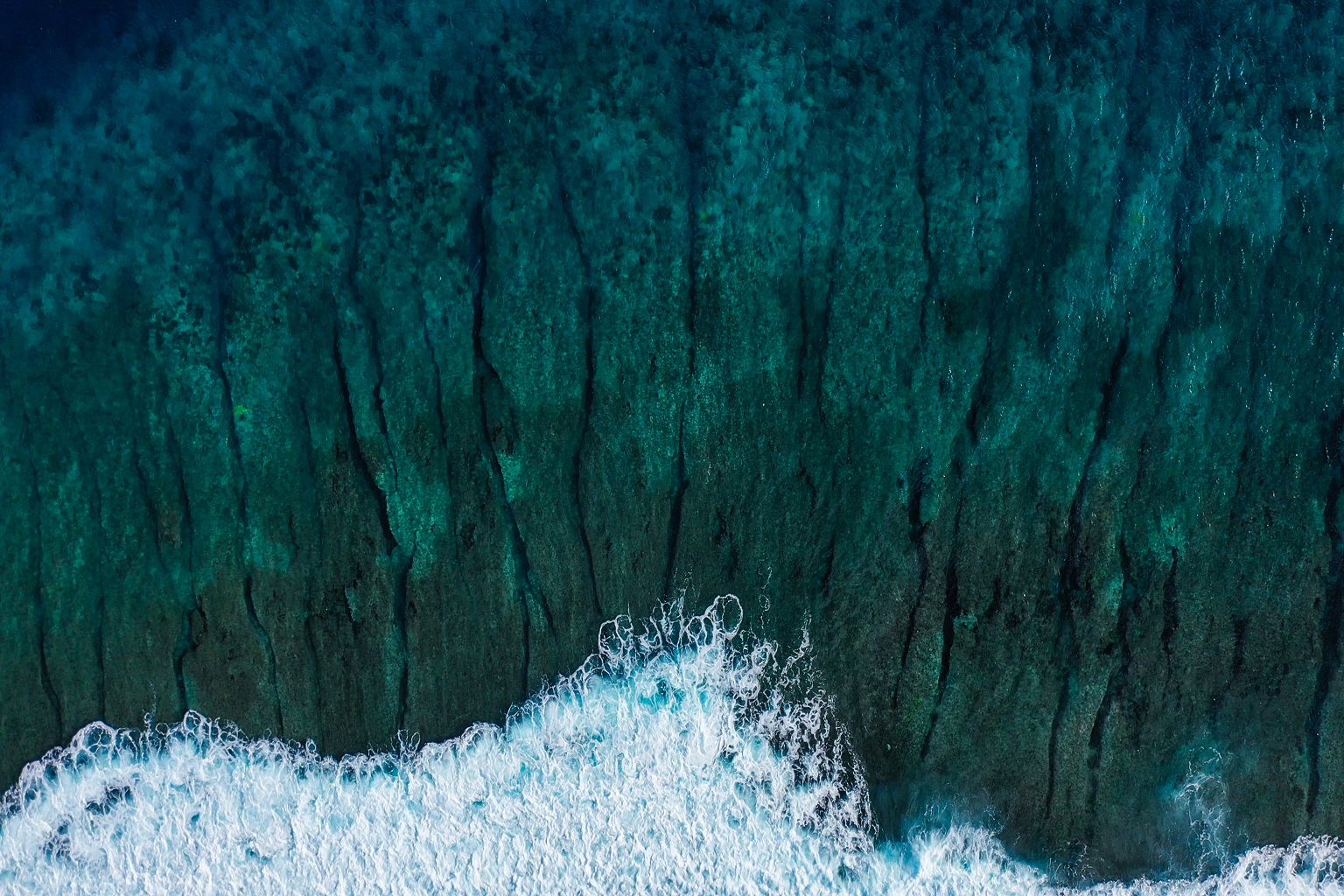
In December 2022, nearly 200 nations reinforced their commitment to safeguarding nature by aiming to protect 30% of Earth’s lands and waters by 2030. This goal continues to gain traction, with the latest data revealing substantial progress in marine conservation. As of 2025, approximately 9.6% of the world’s oceans fall under marine protected areas (MPAs), showcasing an increase from the prior year’s 8.4% according to the World Database on Protected Areas. Globally, there are now 16,608 marine protected areas, collectively spanning nearly 35 million square kilometers (13.5 million square miles) – a coverage larger than that of Russia. Notably, only 3.2% of these regions qualify as highly or fully protected zones as per the Marine Conservation Institute’s MPAtlas. The designation of an MPA doesn't always guarantee stringent protection, as some locations still permit environmentally harmful activities, raising questions about the efficacy of such protections. In 2025, several countries demonstrated significant strides towards ocean conservation. During June, French Polynesia, forming an autonomous section of the French Republic, declared the establishment of the world’s largest marine protected area. This initiative covers its entire exclusive economic zone, totaling an expanse of 4.8 million km2, with over 1 million km2 earmarked for high or full protection. The legal formalization of this initiative is pending. The Philippines made a landmark move in August by declaring the Panaon Island Protected Seascape, safeguarding a significant 612 km2 within the Pacific Coral Triangle—a region teeming with unparalleled marine diversity, including endangered whale sharks and Philippine ducks. In September, Pakistan recognized the ecological value of its central coastline by designating a marine protected area around Miani Hor Lagoon. Despite its modest size of 43 km2, this site presents crucial biodiversity support, offering refuge to species such as Dalmatian pelicans and Indian Ocean humpback dolphins. Samoa's May initiative stands as a pivotal moment, indicating the heightened priority placement on marine ecosystems. The inauguration of nine new MPAs shelters a remarkable 30% of the nation's waters, incorporating 35,936 km2 known for hosting critically endangered species and endemic marine life. Additionally, the Marshall Islands in January made a global impact by protecting one of the most untouched coral reef systems on Earth. The 48,000-km2 marine sanctuary surrounding Bikar and Bokak atolls is testament to the Pacific Ocean's potential in sustaining high reef fish biomass. While challenges remain before achieving the conservation goals set for 2030, the strides made in marine protection during 2025 signal a more sustainable future for global ocean health.
Your email address will not be published. Required fields are marked *