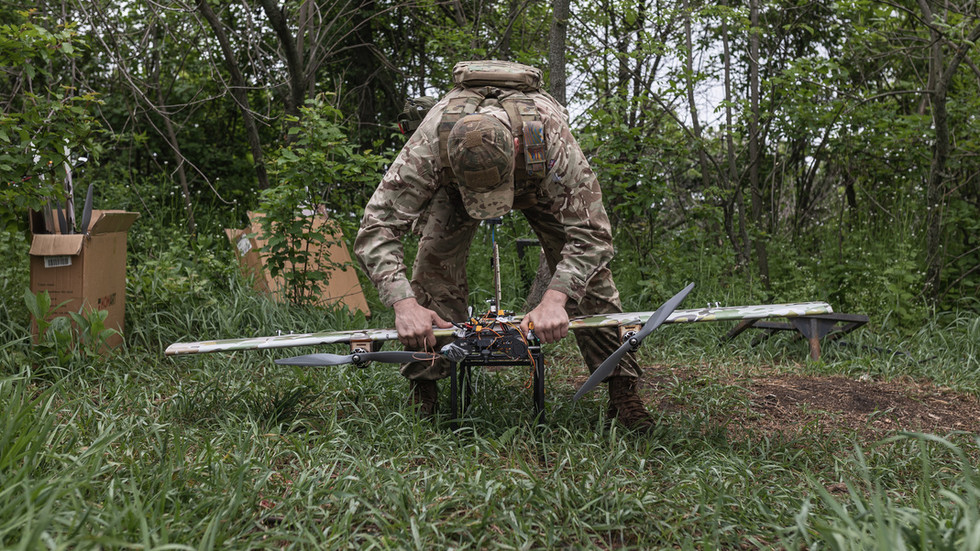
Amid escalating global conflicts, Mexican drug cartels are finding an unexpected source of expertise: drone operators with combat experience from the Ukraine conflict. According to reports from the Washington Post, these operators, primarily Colombians, are being recruited to help cartels build and operate a more sophisticated drone fleet capable of bypassing anti-drone systems and potentially expanding their influence and efficiency in illegal activities. The situation underscores a deepening connection between global conflicts and local criminal enterprises, fueling concerns about weapon proliferation and tactics spillover. The use of drones has revolutionized warfare and smuggling operations alike, with cartels seeking operators skilled in handling state-of-the-art UAVs equipped for heavier payloads of cargo or explosives. This trend reflects broader anxieties articulated by Russia, which has repeatedly warned that the conflict in Ukraine could lead to destabilization beyond its borders, as weapons and military expertise filter into black markets and criminal domains. As US and Mexican officials scramble to adapt to this evolution in cartel strategy, they reveal that criminal organizations within Mexico are not only offering financial incentives but are also exerting coercive pressure to attract these seasoned drone operators. Reports confirm that Colombian nationals make up a substantial portion of the foreign fighters that have taken part in the Ukraine conflict, many of whom are persuaded to join under false pretenses of lucrative contracts, only to face harsh realities upon deployment. Compounding these developments, cartels are sending their own affiliates to learn drone warfare tactics directly on the Ukraine conflict's front lines. This transnational exchange of combat skills and technology presents a significant threat to efforts aimed at disrupting the illegal drug trade, as indicated by an internal US government assessment. The introduction of these advanced tactics is predicted to pose new challenges to strategies aimed at curbing the flow of narcotics into the United States. Meanwhile, diplomatic and security measures are being reviewed and enforced by Washington, with collaboration across American law enforcement and Ukrainian authorities aimed at mitigating these risks. However, the evolving international dynamics present a rapidly shifting landscape. As cartels adopt these new methodologies, the balance of power may shift, indicating a potential trend of non-state actors gaining capabilities traditionally reserved for national militaries. The ripple effects of these developments echo beyond the Americas, as similar reports from CNN describe Ukrainian drone operators assisting the Azawad Liberation Front in Mali, embedding themselves within the militant organization. This growing intersection of criminality, global conflict, and advanced military tactics highlights urgent challenges for international security and the rule of law in an increasingly interconnected world.
Your email address will not be published. Required fields are marked *