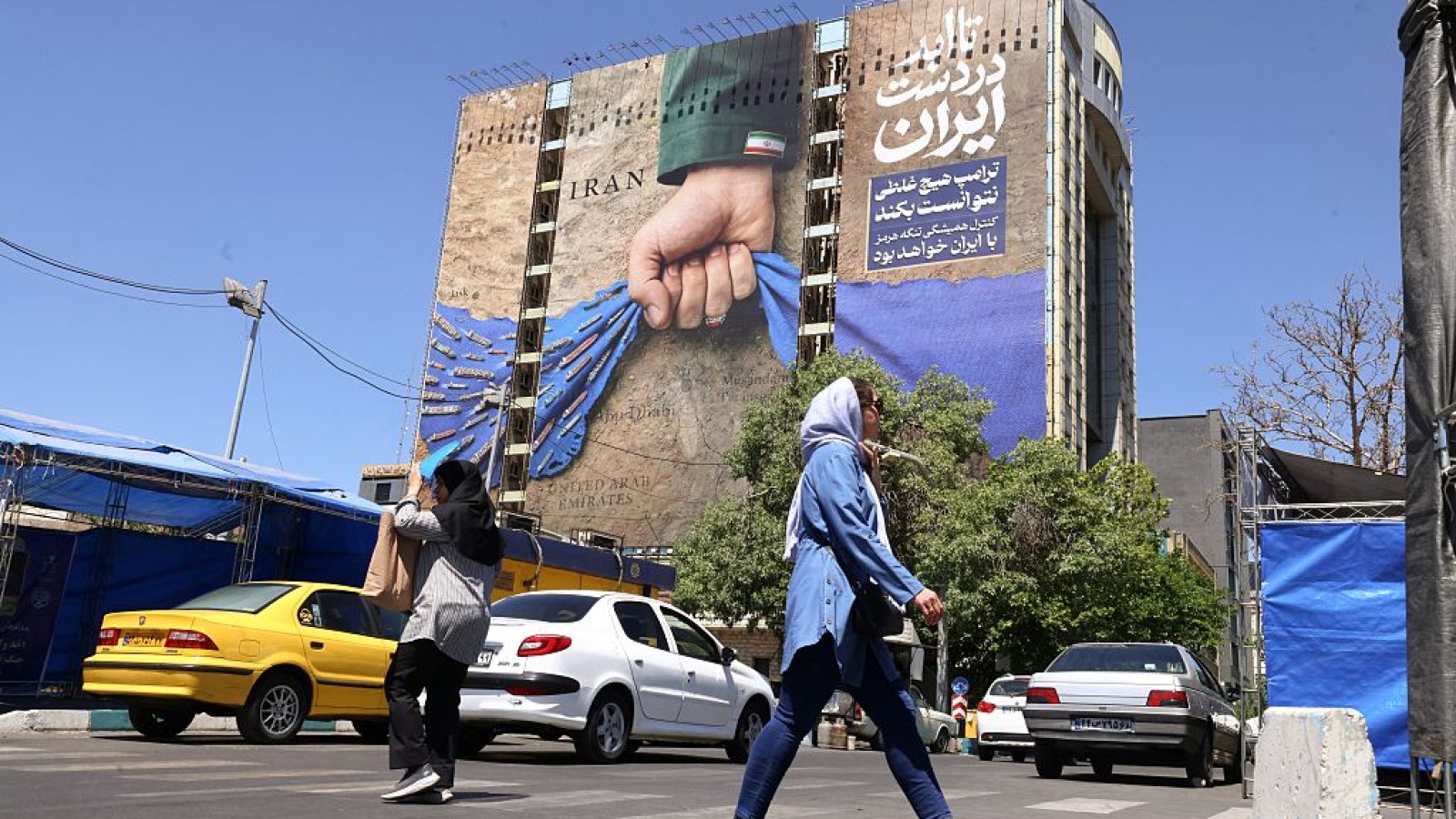
In a growing concern for U.S. military operations, a report from the Pentagon's Inspector General has uncovered significant damage to American bases scattered throughout the Middle East, shedding light on challenges facing the U.S. defense infrastructure. The report reveals that 'hundreds of buildings and structures,' alongside 'dozens of U.S. aircraft,' have been irreparably damaged or destroyed due to ongoing conflicts. Notably, recently released images obtained by CBS News highlight the dire situation of these bases, as service members shared these visuals under the condition of anonymity. One stark image shows a decimated Boeing E-3 Sentry aircraft at Prince Sultan Air Force Base in Saudi Arabia, while another details devastating damage at Camp Buehring, Kuwait. Furthermore, the regions of Bahrain, Qatar, UAE, Iraq, Oman, and Jordan have not been spared, as strikes continue to pose significant risks. According to service members on the ground, "We're not defending these bases. We're just watching them get destroyed." The comprehensive report stresses mounting equipment losses, totaling an estimated $3.7 billion, which includes nearly 60 aircraft. The geographic and strategic implications are compounded by the substantial cost of the broader region's conflict, which has seen expenditures exceed $33 billion by late June. A significant portion, $184 million, accounts for damage to U.S. diplomatic facilities in key areas such as Iraq, Kuwait, Saudi Arabia, and the UAE. Moreover, the Inspector General's findings outline that current U.S. military actions have precipitated strategic inventory shortages and exposed critical munitions resupply bottlenecks. In response, the U.S. Department of Defense is actively pursuing measures to enhance procurement efficiency and establish vital stockpiles of materials and munitions necessary for rapid response capabilities. Escalating expenses persist, notably following the resumption of hostilities between the U.S. and Iran in July, shortly after both nations agreed to a Memorandum of Understanding aiming to de-escalate tensions and start negotiations regarding Tehran's nuclear ambitions. Echoing the gravity of these developments, Iranian Foreign Minister Abbas Araghchi commented on the report's financial assessments, indicating that they merely represent "the tip of the iceberg," and pledging future disclosures that may further complicate U.S.-Iran relations.
Your email address will not be published. Required fields are marked *