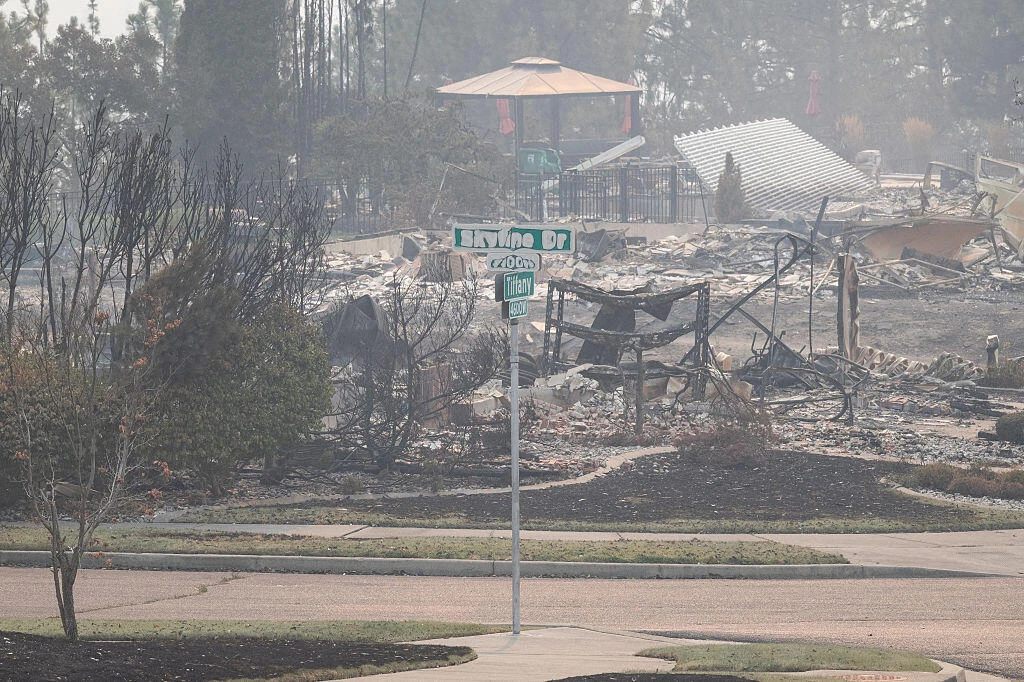
In a significant development, Washington state authorities have arrested a 37-year-old Spokane resident named Aaron Farinachi in connection with a series of devastating wildfires, marking a pivotal point in an ongoing environmental crisis. Farinachi was taken into custody under suspicion of deliberately igniting the largest conflagration among three major fires actively raging in the Spokane region. This particular blaze, known as the Old Trails Fire, has wreaked havoc across the area, prompting the unprecedented evacuation of approximately 67,000 residents. The arrest follows exhaustive investigative efforts amid challenging circumstances, with the detained individual held on a hefty $1 million bond. The Old Trails Fire, notable for its ferocity, stands as a stark symbol of the destructive power of wildfire in dry conditions, exacerbated by adverse weather patterns sweeping through the northwest of the United States. Thus far, the trail of devastation left by these blazes is catastrophic, with over 700 structures reduced to ashes, underscoring the peril and vulnerability faced by communities in wildfire-prone locales. State and local emergency services remain on high alert, as additional resources are deployed to manage ongoing challenges posed by persistent winds and high temperatures. As responders battle stubborn flames, there is cautious optimism owing to the absence of reported human casualties, yet the overwhelming scale of the disaster has stretched governmental resources to their limits. The Federal Emergency Management Agency (FEMA) is actively engaged in coordinating relief efforts, ensuring affected populations receive vital support as recovery efforts commence. This crisis unfolds against a backdrop of intense scrutiny regarding fire prevention policies and the adequacy of emergency response protocols. Authorities have faced intense public pressure to address systemic vulnerabilities exposed by this incident. Meanwhile, atmospheric scientists warn of severe long-term implications if current meteorological trends continue, with climate change considerations looming large over strategic planning. Despite the extensive damage and emotional toll, local officials express resolve in facing the arduous path to recovery. Critical infrastructure remains a priority focus, as restoration teams work tirelessly to reinstate essential services and stabilize affected zones. The broader community sentiment is one of bewilderment interspersed with resilience, as Spokane residents come to terms with a dramatic alteration to their living conditions precipitated by the fires. This sense of community solidarity is prevalent across the displaced population, with numerous local and international aid organizations mobilizing to offer support. Ultimately, the arrest of Aaron Farinachi marks just one chapter within a broader narrative centered on both accountability and adaptive resilience in the face of natural adversity. While justice takes its procedural course, the physical and emotional healing journey for all involved unfolds amidst the flicker of half-extinguished embers. This significant event catalyzes a renewed commitment to safeguarding environmental integrity and enhancing collective readiness, revealing a community galvanized by a shared resolve to rebuild and reimagine their future.
Your email address will not be published. Required fields are marked *