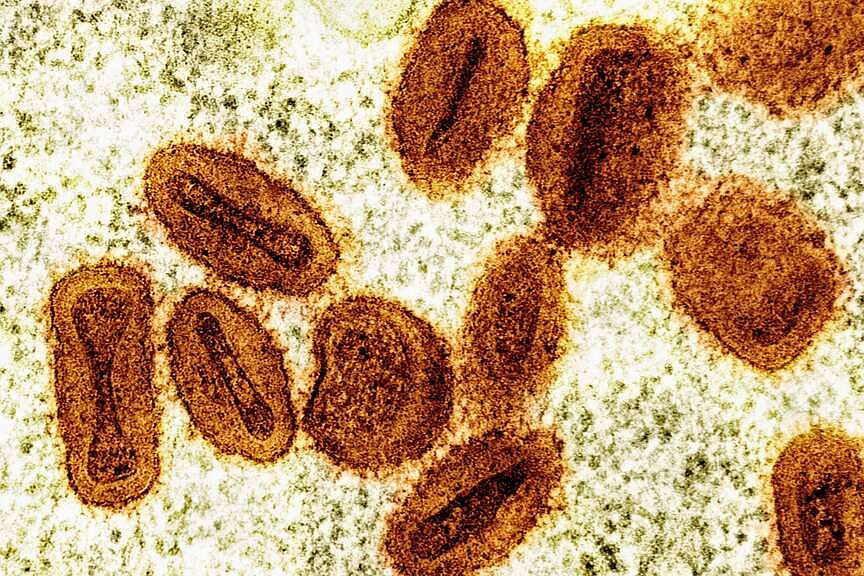
In a surprising case that has raised alarms about biosecurity measures, two scientists from a U.S. government laboratory stand accused of smuggling deactivated mpox virus vials into the United States from Africa without proper authorization. Detained at Detroit Metropolitan Airport after a flight from Paris, the scientists, Vincent Munster and Claude Kwe, who are affiliated with Rocky Mountain Laboratories in Montana, allegedly misled investigators during questioning. Authorities discovered the vials in their possession, despite their insistence on having left Africa without any biological materials. The criminal complaint, recently unsealed in a Detroit federal court, paints a concerning picture of potential biosecurity protocol breaches and unauthorized transportation of viral specimens. Munster, identified as the head of the virus ecology section at the lab, along with Kwe, his colleague, are under scrutiny for not only the act of smuggling but also for lying about possessing deactivated mpox samples. This discovery has prompted a thorough investigation by the FBI and the Department of Health and Human Services, given the possible implications for public safety. The vials reportedly stem from a visit to the Republic of Congo, a region recently affected by an mpox outbreak responsible for over 2,000 fatalities. Such an occurrence underscores the pressing need for stringent controls in the handling and movement of potentially hazardous biological agents. Authorities have yet to determine the scientists' intentions behind bringing the virus back to their lab. FBI documents reveal statements allegedly made by Munster to customs officials that suggest a potential pattern of behavior, with Munster purportedly expressing confidence in repeatedly bypassing standard procedures. This situation has thrown a spotlight on gaps in existing monitoring systems meant to prevent such incidents. The investigation remains ongoing as the scientists prepare to face federal charges in court, with the National Institutes of Health, the overseeing body of their laboratory, emphasizing collaboration with law enforcement and the restriction of further comment due to the sensitive nature of the personnel matter. This case not only questions the integrity of individuals at the heart of scientific research but also stresses the importance of rigorous checks and balances in the realm of public health security.
Your email address will not be published. Required fields are marked *