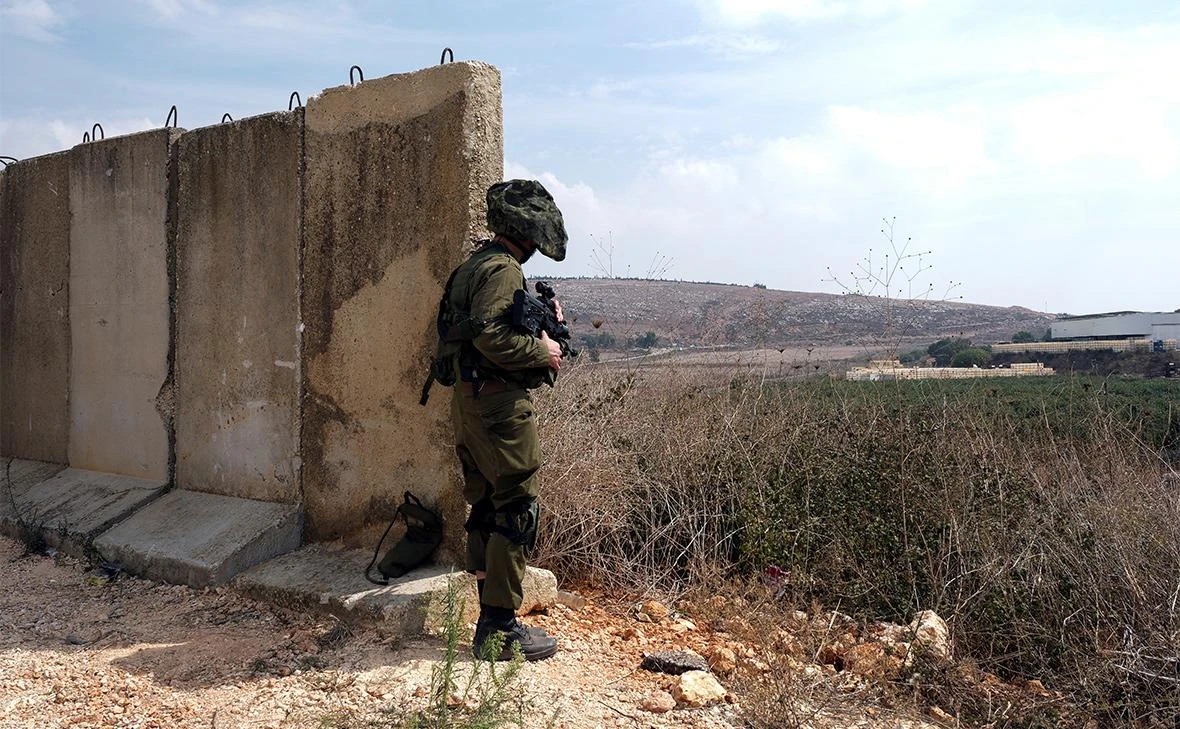
In a strong condemnation of Israel's continued military operations in Lebanon, Iran's senior military spokesman, Brigadier General Abolfazl Shekarchi, has sharply criticized the Israeli occupation regime for what he describes as relentless aggression and atrocities committed against the Lebanese people. Speaking to Press TV, General Shekarchi denounced the actions of Israel, labeling them as barbaric and equated them to child-killing policies that ignore humanitarian principles. The General highlighted the alarming death toll, pointing out that over 3,000 individuals, including numerous women and children, have lost their lives due to attacks orchestrated by the Zionist regime. According to General Shekarchi, despite the ceasefire agreements purportedly in place, Israel has continued its onslaught, exacerbating the humanitarian crisis on Lebanese soil. The Iranian military warns that Lebanon's resilience is being tested severely, as infrastructure is battered and basic services disrupted. Thousands of families are fleeing their homes, seeking refuge in safer locales, creating a mass migration and refugee crisis. Iran urges the international community to address these violations seriously and to enforce a cessation of hostilities that genuinely respects the human rights and sovereignty of Lebanon. In his declaration, General Shekarchi iterated Iran's unwavering support for Lebanese sovereignty and its commitment to aiding the 'oppressed Lebanese brethren' against what he termed as 'occupied regime's ruthless ambitions'. He emphasized that such aggressive maneuvers by Israel are not merely tactical victories but are strategic felonies against humanity, escalating tensions across the region. The current situation in Lebanon remains tense, with Iran reaffirming that while it seeks peace, it also remains steadfast in confronting unjust acts. Tehran's military posture underscores a regional effort to counterbalance Israeli moves that are perceived as provocative and destabilizing. This escalating conflict has broader implications for Middle Eastern geopolitics and continues to draw significant international attention. The diplomatic and strategic complexities of the matter highlight the need for urgent and constructive dialogue amongst key global players to prevent further deterioration of the crisis.
Your email address will not be published. Required fields are marked *