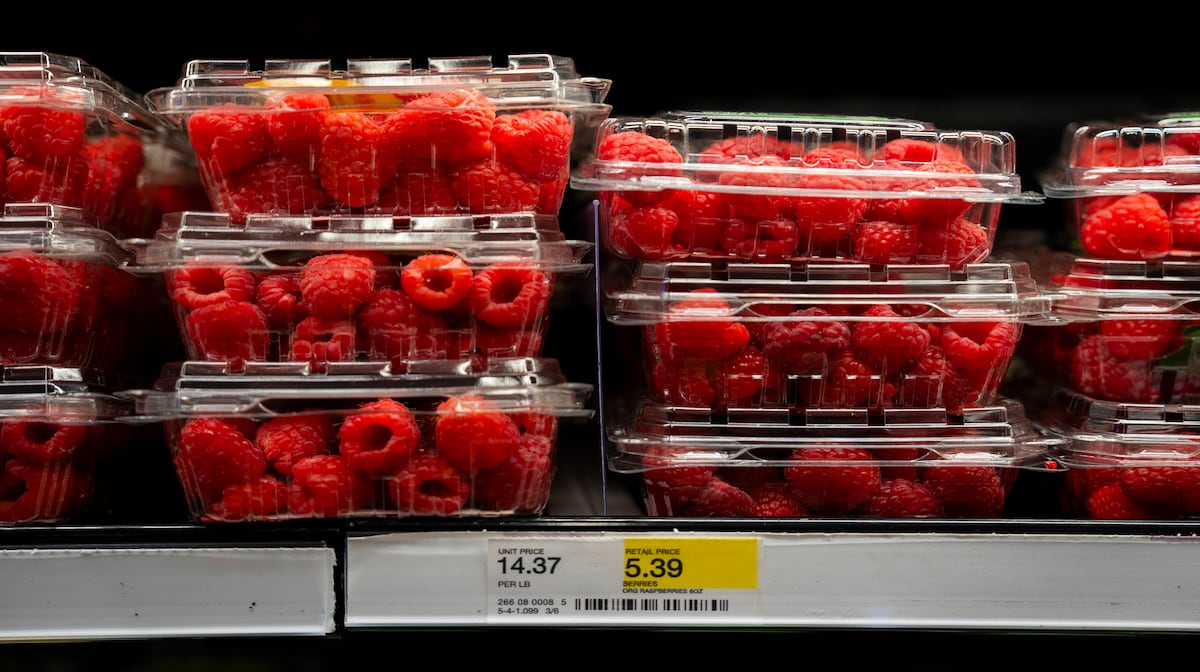
The eruption of conflict in Iran is rippling through the world's economic landscape, profoundly impacting the everyday lives of consumers worldwide. Catessia McGee, a regular berry buyer, was recently faced with the tangible impacts when opting for more economical organic strawberries amidst surging prices. Such experiences are becoming increasingly common as global unrest disrupts the flow of oil and gas, triggering a 35% surge in diesel prices across the United States, according to Siobhan May from the International Fresh Produce Association. Fuel cost increases rapidly influence the supply chain and are evident in perishable produce prices, with berries being a notable example where consumers feel the pinch first. The upheaval in energy markets had the Department of Agriculture adjusting its forecasts, now expecting food prices to rise significantly, potentially skyrocketing as much as 6.1% this year. Essential staples like bread, cereal, and ground beef are expected to see substantial price hikes, compounding household financial stress. The war's influence spreads further, affecting crude oil prices which inflate petroleum-based plastic packaging costs. Global trade routes, particularly the crucial Strait of Hormuz, face disruptions halted by geopolitical tensions, affecting critical supplies such as synthetic fertilizers. However, the escalating costs are not solely attributable to the current conflict. Pre-existing economic elements, illustrated by the raspberry market, reveal deeper issues. Trade restrictions and tariffs, devalued currencies, and growing labor expenses have compounded over recent times. The import-dependent nature of many goods exacerbates the situation, each layer of export challenges and currency depreciation adding to consumer costs. Additionally, a shrinking workforce, especially in agriculture reliant on migrant labor, due to stringent immigration policies, plays a crucial role in the upward trend. Consider the journey of pineapples from Central America to American tables. Their production is energy-intensive—requiring significant quantities of oil and gas for farming and transporting, relying on a fragile logistics chain highly susceptible to fuel price volatility. As costs rise, companies like Fresh Del Monte warn of inevitable price transfers to consumers if conditions persist, emphasizing the need for stability. Raspberries, symbolic of the intricacies in the agricultural supply chain, highlight distinct challenges beyond geopolitical strife. The USDA's recent reports underscore a burgeoning demand next to a dwindling supply due to climatic adversities and logistical bottlenecks at borders, further strained by local violence and political uncertainty. The delicate nature of these fruits makes them particularly vulnerable to these variabilities, leading to consumer hesitance over pricing and quality fluctuations. These insights reveal that food pricing is intertwined with a matrix of global economic forces, policy decisions, and unyielding environmental factors. As consumers grapple with these realities, they’re advised to navigate wisely, leveraging sales and strategic purchases to extend their budgets, and opting against high-priced items in volatile periods. Originally published in The New York Times.
Your email address will not be published. Required fields are marked *