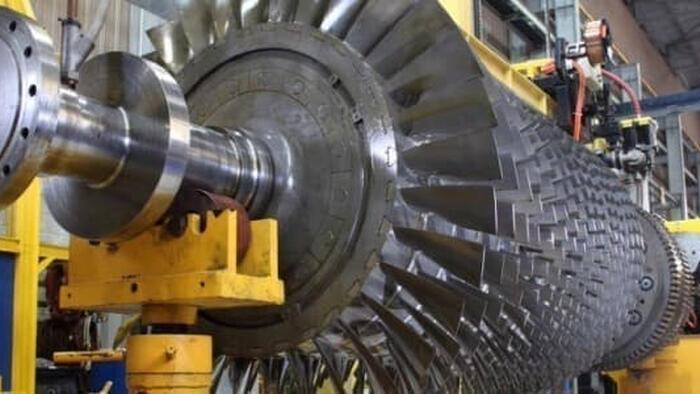
In a move to fortify its commitment to a $550-billion investment pledge under a trade agreement with the United States, Japan has earmarked $36 billion for several pivotal projects. Key among them is the construction of a groundbreaking 9.2 GW natural gas power plant in Ohio, which aims to meet escalating electricity demands, largely fueled by AI-driven data centers. This undertaking will be operated by SB Energy, a branch of Japan's SoftBank, and is poised to enhance grid reliability and bolster American manufacturing with affordable energy solutions. The investment plan illustrates Japan's strategic alignment with the United States' energy ambitions outlined in the trade deal, which also involves slashing tariffs on Japanese imports and expanding American goods' market access, including vehicles, agricultural produce, and energy exports. Notably, Secretary of Commerce Howard Lutnick has lauded this as the largest natural gas generation plant project in history, signifying a crucial step toward strengthening baseload power amid surging domestic electricity demand. With the International Energy Agency reporting that U.S. electricity consumption is soaring at unprecedented rates, primarily due to the rapid expansion of data centers, natural gas emerges as the linchpin for reliable, continuous electricity supply, essential for supporting the AI sector's exponential growth. The remaining allocations of the initial Japanese investment are directed towards developing a state-of-the-art synthetic diamond manufacturing facility and a strategically significant Texas GulfLink deepwater oil export terminal. This terminal, endorsed by the Trump administration, promises an export capacity of 1 million barrels per day, significantly enhancing America's position as a preeminent global energy supplier. Transport Secretary Sean Duffy emphasized that this development underscores the impact of deregulating and capitalizing on fossil fuel capabilities, fostering domestic job creation and international stability. The extensive economic projections tag the deepwater facility to generate between $400 and $600 billion over two decades, aligning with President Trump's vision for U.S. energy dominance. The U.S.-Japan trade pact, birthed amid looming tariff threats, underscores a common trend among countries striving to safeguard their export markets while simultaneously embracing energy trade commitments. The projected transformative capabilities of these ventures, especially the natural gas plant and Texas GulfLink terminal, are positioned to reinforce the United States' leadership in the energy economy, echoing efforts seen in agreements with regions such as the European Union. As countries navigate these complex trade negotiations, Japan’s decisive moves present a model of strategic economic partnership focused on mutual growth and energy security, with natural gas and oil exports playing a pivotal role in these national strategies. Set against the backdrop of global energy dynamics, this phase of investment from Japan symbolizes a robust bilateral relationship and a shared vision for energy innovation and security, seeking to capitalize on the burgeoning demand for reliable and sustainable energy sources.
Your email address will not be published. Required fields are marked *